Web Performance Optimization Guide: How to Make Your Website Blazing Fast

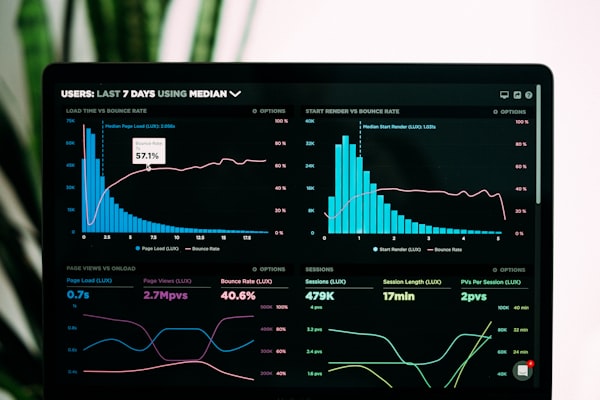
- Every 100ms reduction in load latency improves conversion rates by up to 8.4%.
- INP (Interaction to Next Paint) replaced FID as Google's responsiveness metric. Keep main-thread tasks under 50ms.
- AVIF and modern WebP image formats yield 50%+ size reductions compared to legacy JPEGs.
- Strategic font subsetting, preloading critical resources, and HTTP/3 streaming make pages feel instantaneous.
In an era where user attention is fleeting and search algorithms heavily reward page speed, web performance is not an afterthought. It is a core product feature. A fast website directly drives higher retention, lower bounce rates, and superior revenue conversion.
1. Understanding 2026 Core Web Vitals (LCP, INP, CLS)
Google evaluates user experience based on three pillars:
- Largest Contentful Paint (LCP): Measures perceived loading speed. The primary content block must render within 2.5 seconds.
- Interaction to Next Paint (INP): Assesses interface responsiveness when clicking or typing. Must be under 200 milliseconds.
- Cumulative Layout Shift (CLS): Quantifies visual stability. Unexpected shifts must remain under 0.1.
2. Next-Gen Image & Font Optimization
<picture> elements with AVIF sources reduces page weight drastically while preserving crisp retina detail.
<!-- High-Performance Hero Image with Preload Hint -->
<link rel="preload" as="image" href="hero.avif" type="image/avif" fetchpriority="high">

<picture>
  <source srcset="hero-large.avif 1200w, hero-medium.avif 800w" type="image/avif">
  <source srcset="hero-large.webp 1200w, hero-medium.webp 800w" type="image/webp">
  <img src="hero-fallback.jpg" alt="Greg Orato Portfolio" width="1200" height="600" loading="eager" decoding="async">
</picture>
3. JavaScript Bundle Reduction & Tree Shaking
Third-party analytics and oversized npm dependencies represent the largest source of main-thread execution stalls. Use dynamic imports (import()) to defer heavy modals, charts, or payment SDKs until direct user interaction.
4. Edge Caching & HTTP/3 Multi-Plexing
Utilizing HTTP/3 (QUIC protocol) eliminates head-of-line blocking on mobile network handoffs. Coupled with aggressive immutable asset caching (Cache-Control: public, max-age=31536000, immutable), repeat visitors experience instantaneous cached loads.
5. Core Web Vitals Benchmark Targets
| Metric | Good (Green) | Needs Work (Yellow) | Poor (Red) |
|---|---|---|---|
| LCP (Loading) | ≤ 2.5s | 2.5s - 4.0s | > 4.0s |
| INP (Interactivity) | ≤ 200ms | 200ms - 500ms | > 500ms |
| CLS (Stability) | ≤ 0.1 | 0.1 - 0.25 | > 0.25 |
| TTFB (Server response) | ≤ 800ms | 800ms - 1800ms | > 1800ms |