Building Scalable Apps with Next.js: A Practical Guide for Modern Developers


- Hybrid Rendering combines Static Site Generation (SSG), Edge SSR, and Streaming React Server Components.
- Incremental Static Regeneration (ISR) with on-demand tag revalidation cuts origin compute load by up to 85%.
- Edge Middleware handles session auth and dynamic routing at the Point of Presence before hitting serverless compute.
- Distributed databases paired with regional Redis caching layers eliminate latency bottlenecks.
Mastering scalable architecture in Next.js is no longer just a luxury. It is fundamental to high-conversion modern digital products. In 2026, scaling is not simply about spinning up larger VMs; it is about intelligent caching topologies, edge execution, and streaming server components.
Serverless Architecture and the Edge
Next.js natively compiles route handlers to run on edge compute networks across hundreds of global PoPs. By offloading auth verification and header transformations to the nearest CDN edge, international users experience instantaneous response times without cold-start penalties.
// middleware.ts - Edge Auth & Dynamic Header Injection
import { NextResponse } from 'next/server';
import type { NextRequest } from 'next/server';

export const config = {
  matcher: ['/dashboard/:path*', '/api/secure/:path*']
};

export async function middleware(req: NextRequest) {
  const token = req.cookies.get('session_token')?.value;

  if (!token) {
    return NextResponse.redirect(new URL('/login', req.url));
  }

  const response = NextResponse.next();
  response.headers.set('x-edge-region', process.env.VERCEL_REGION || 'iad1');
  return response;
}
Rendering Strategies: Hybrid is King
The historical debate between pure SSR and static generation has resolved into Hybrid Rendering. Modern Next.js apps leverage static generation with fine-grained cache tags for high-throughput public views, while streaming dynamic user widgets using React Suspense boundaries.
revalidateTag('product-pricing') inside webhook endpoints updates global cache instantly without full site rebuilds.
Database Scalability & Global Distribution
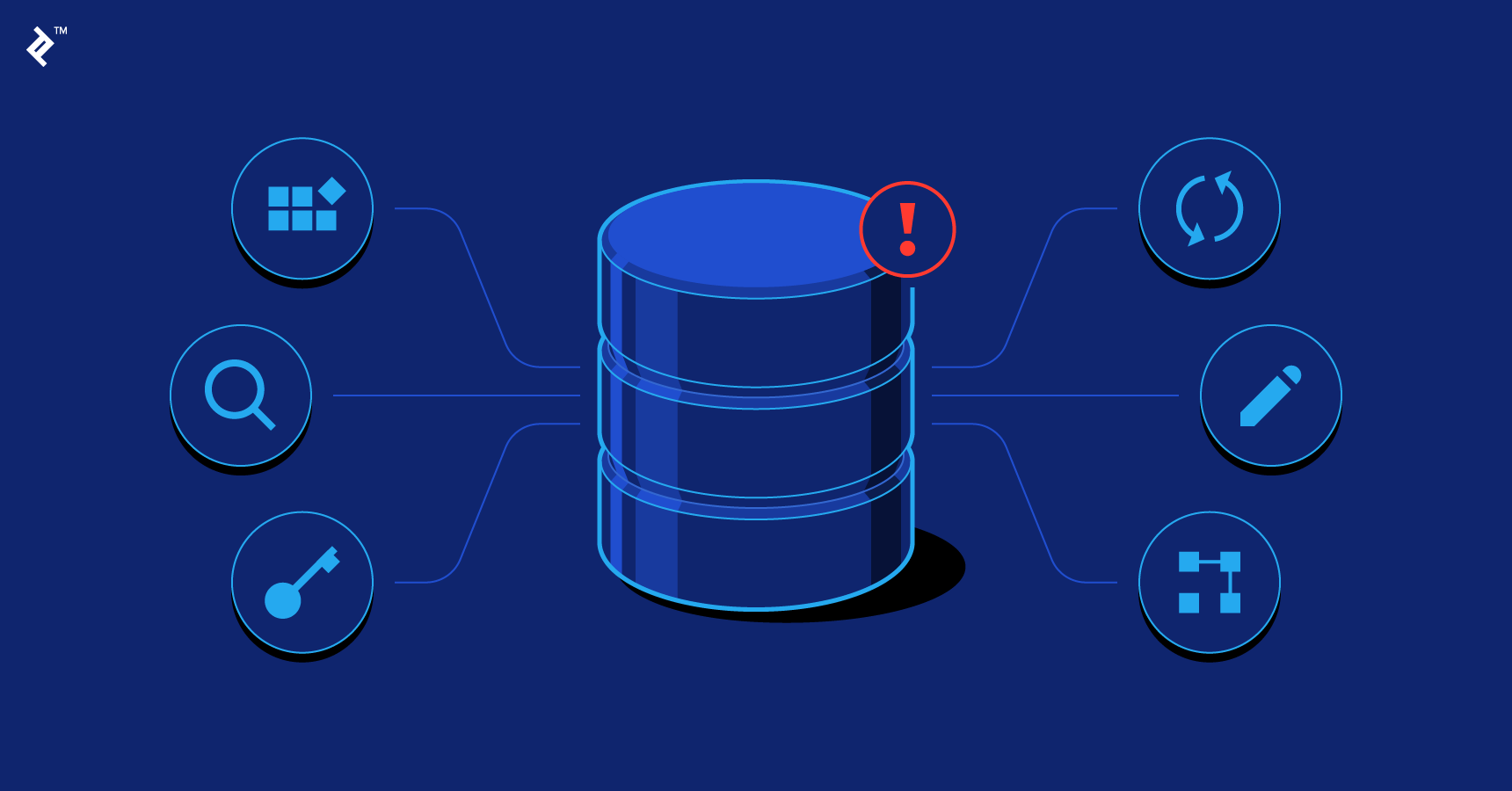
Frontend performance is bottlenecked by the data layer if connections stall. In 2026, serverless connection poolers combined with edge-compatible key-value stores (such as Upstash Redis) maintain under 15ms database read latencies even under sudden traffic surges.
Edge Security and Rate Limiting
As applications scale to millions of monthly hits, automated bots and DDoS attempts escalate. Executing token bucket rate-limiting algorithms at the CDN layer intercepts malicious requests before invoking backend compute billing.
Monitoring and Real-Time Observability
Scaling requires continuous telemetry. We monitor Core Web Vitals (LCP, INP, CLS) in real-time. Automated alerts notify the engineering team if Interaction to Next Paint (INP) exceeds 150ms on mobile devices, ensuring user delight never degrades.