The Future of AI: Understanding the Impact and Potential


- Developers are evolving from line-by-line coders to high-level AI orchestrators and system architects.
- Agentic AI in 2026 plans and executes complex multi-step workflows across frontend, backend, and cloud pipelines autonomously.
- Context-window mastery and deep architectural discipline are now the decisive skills for senior software engineers.
- Human empathy, thoughtful UI/UX intuition, and security governance remain irreplaceable core assets.
Artificial Intelligence is no longer a futuristic concept. It is actively reshaping every facet of how we design, build, and maintain web software in 2026. From real-time code generation to self-healing serverless infrastructure, the speed at which ideas convert to production software has accelerated by an order of magnitude.
Orchestrating AI: A New Paradigm
Modern developers are rapidly transitioning from manual syntax crafting to AI orchestration. Large multimodal language models now produce full feature suites from high-level specs. This shift elevates the developer's role to system design, security boundary verification, and user experience fidelity.
Senior developers now spend substantial time auditing AI-generated pull requests, ensuring GDPR/SOC2 compliance, and eliminating edge cases that synthetic generation models can overlook.
// Example: Multi-Agent Task Orchestration in 2026
import { AgentRunner, AgentGoal } from '@core/ai-agent-sdk';

const deploymentAgent = new AgentRunner({
    model: 'gemini-3.7-flash',
    contextWindow: 128_000,
    tools: ['git', 'docker', 'linter', 'cypress']
});

await deploymentAgent.execute(new AgentGoal({
    action: 'Audit PR, optimize bundle chunks, and auto-deploy staging canary',
    strictSecurityCheck: true
}));
The Rise of Agentic AI in 2026
One of the most consequential advancements is the mainstream adoption of Agentic AI. Unlike classic autocomplete tools, agentic systems possess tool-calling faculties, state evaluation routines, and autonomous multi-turn reasoning.
An agent can inspect a bug ticket, generate unit tests reproducing the fault, patch the React component and Node.js microservice, run test suites, and draft a pull request. All within minutes.
Performance and Autonomous Accessibility
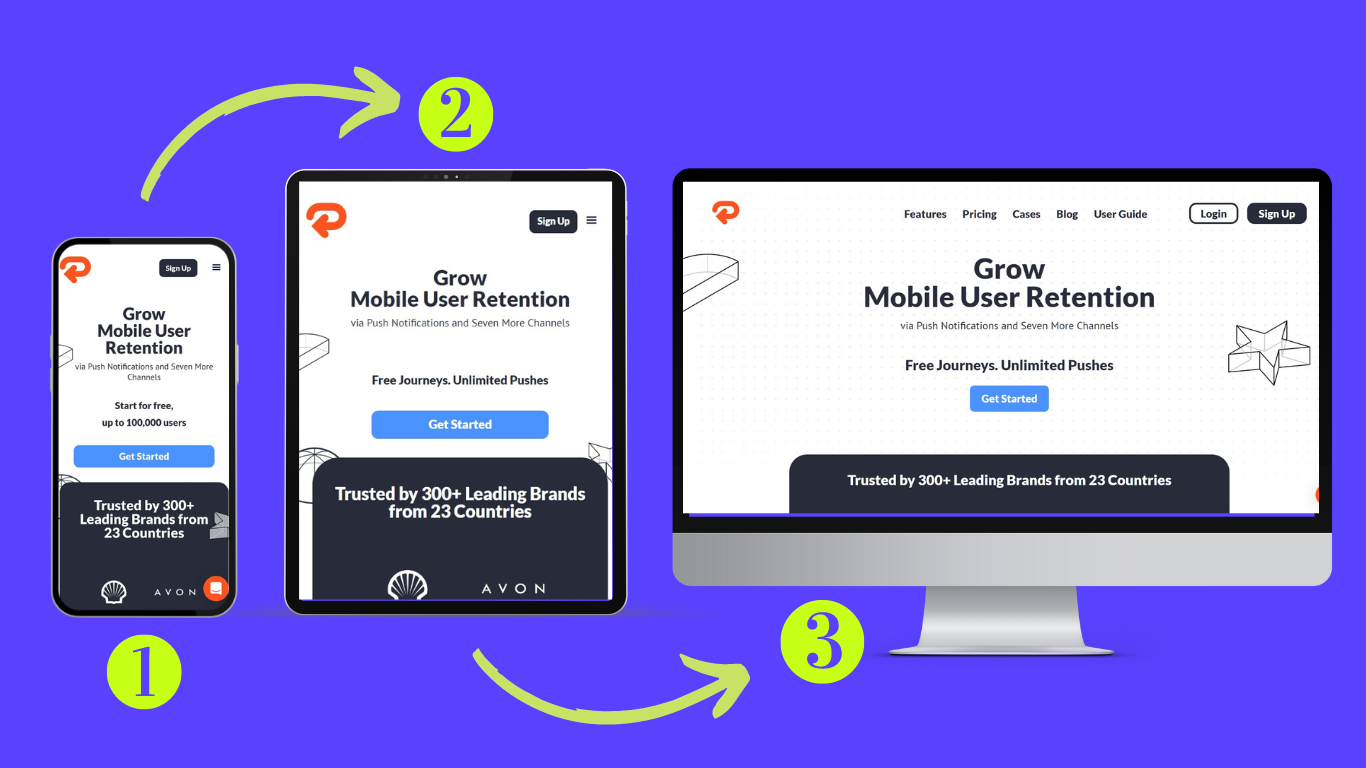
AI performance pipelines now optimize image compression ratios, generate semantically rich screen-reader alt text, and synthesize critical CSS paths on the fly. Applications adapt responsively to network conditions and client CPU throttles without manual intervention.
Ethical Considerations and the "Human Touch"
"As AI handles more repetitive heavy lifting, the defining differentiator of exceptional software will always be genuine human empathy, distinct aesthetic taste, and ethical clarity."
Bias mitigation in training corpuses, environmental data-center footprints, and user privacy remain critical frontiers. The most impactful digital experiences are those where AI efficiency amplifies genuine human-centric storytelling and deliberate craftsmanship.
How to Stay Relevant in the AI Era
To thrive in this evolving tech climate, adopt a T-shaped engineering profile: cultivate deep expertise in fundamental computer science, distributed architectures, and UI/UX design, while seamlessly integrating AI tooling across your daily workflow.
- Master system architecture, distributed state management, and edge performance.
- Understand machine learning tool protocols (MCP) and agentic workflows.
- Never stop questioning the why behind business logic and user value.