Complete Web Development Guide for Beginners (Frontend + Backend)


Step-by-step roadmap from frontend foundations to backend APIs, database management, and cloud deployments.
Key Takeaways & Highlights
- Master the foundational triad first: Semantic HTML5, modern CSS flex/grid, and modern ECMAScript/TypeScript.
- Frontend engineering in 2026 centers on component-driven UI libraries like React, state management, and accessibility.
- Backend development requires understanding HTTP protocols, REST/GraphQL design, auth tokens, and database schemas.
- Build real-world end-to-end projects with CI/CD deployment pipelines (Vercel, Render, AWS) to stand out.
Table of Contents
Web development is one of the most dynamic, high-impact careers in the global technology landscape. In 2026, building modern applications requires understanding both client-side user experience and scalable server architectures.
Phase 1: Frontend Foundations (HTML, CSS, JS)
Every website begins with semantic markup, responsive styling, and interactive scripting:
- HTML5: Semantic tags (
<header>,<nav>,<article>,<section>) for SEO and screen-reader accessibility. - Modern CSS: CSS Variables, Flexbox, Grid, and Container Queries for responsive layouts across all screen resolutions.
- JavaScript (ES2026): Async/await, array methods, closures, DOM manipulation, and Fetch API communication.
Phase 2: Modern Frameworks & TypeScript
TypeScript is Essential: Adopting TypeScript early prevents whole classes of runtime bugs and dramatically accelerates code autocompletion.
Component-based frameworks like React and Next.js allow you to compose complex user interfaces into reusable, reactive building blocks.
Phase 3: Backend Services & Databases
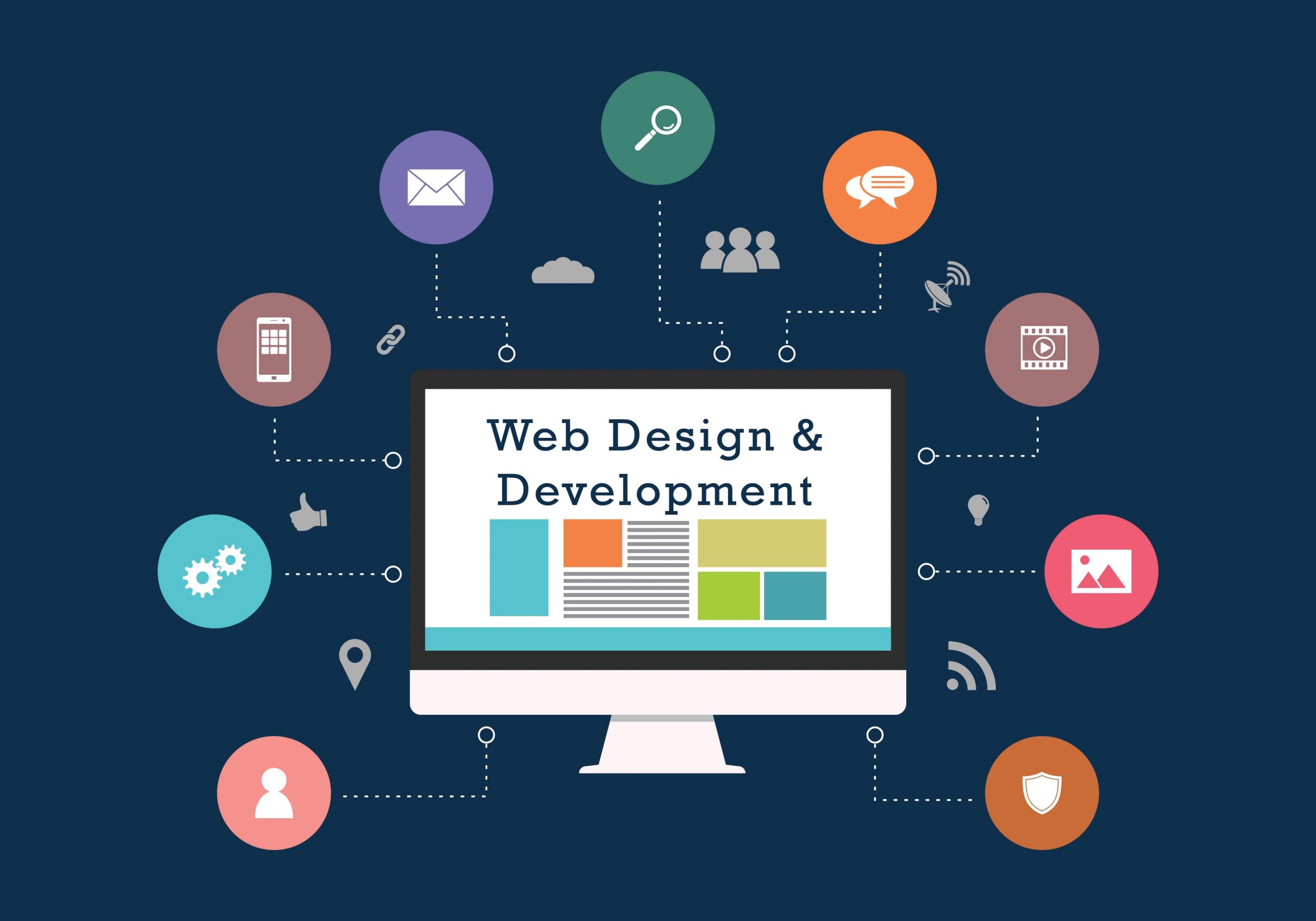
Connecting frontend user interfaces to Node.js backend controllers and PostgreSQL data storage.
The backend powers business logic, manages user authentication, and orchestrates database transactions:
- Node.js & Express / NestJS: RESTful endpoints, middleware auth filters, and error handlers.
- Relational (SQL): PostgreSQL with Prisma ORM for structured relational data.
- Document (NoSQL): MongoDB for flexible, schema-free collections.
Phase 4: Version Control, CI/CD & Deployment
Professional engineering workflows require Git branch discipline, pull request reviews, automated linting, and automated cloud deployments on platforms like Vercel, Render, or Docker containers.
2026 Full-Stack Milestone Roadmap
| Milestone | Core Technologies | Project Goal |
|---|---|---|
| 1. Frontend Static | HTML5, CSS3, Vanilla JS | Responsive Portfolio / Landing Page |
| 2. Dynamic SPA | React, TypeScript, Tailwind | Task Manager / Dashboard with API Integration |
| 3. Full-Stack App | Next.js, Node.js, PostgreSQL | E-Commerce Platform with Auth & Payments |
| 4. Production Ready | Docker, CI/CD, Edge CDN | Globally Distributed Cloud Application |