Beginner's Guide to Databases in Web Development: SQL vs NoSQL Explained


- SQL databases (PostgreSQL, MySQL) structure data into normalized tables with strict foreign key relations and ACID guarantees.
- NoSQL databases (MongoDB, DynamoDB) store schema-flexible JSON-like documents, ideal for rapidly evolving hierarchical models.
- Modern applications embrace Polyglot Persistence: using PostgreSQL for relational transactions and Redis for fast session caches.
- Serverless database poolers (Neon, PlanetScale, Supabase) eliminate connection limit exhaustion in cloud functions.
Every dynamic web application. From an authentication system to an e-commerce checkout. Relies on a database to reliably persist and query information. Choosing the appropriate database model early in development prevents costly migrations down the line.
1. What is a Database and Why Do We Need One?
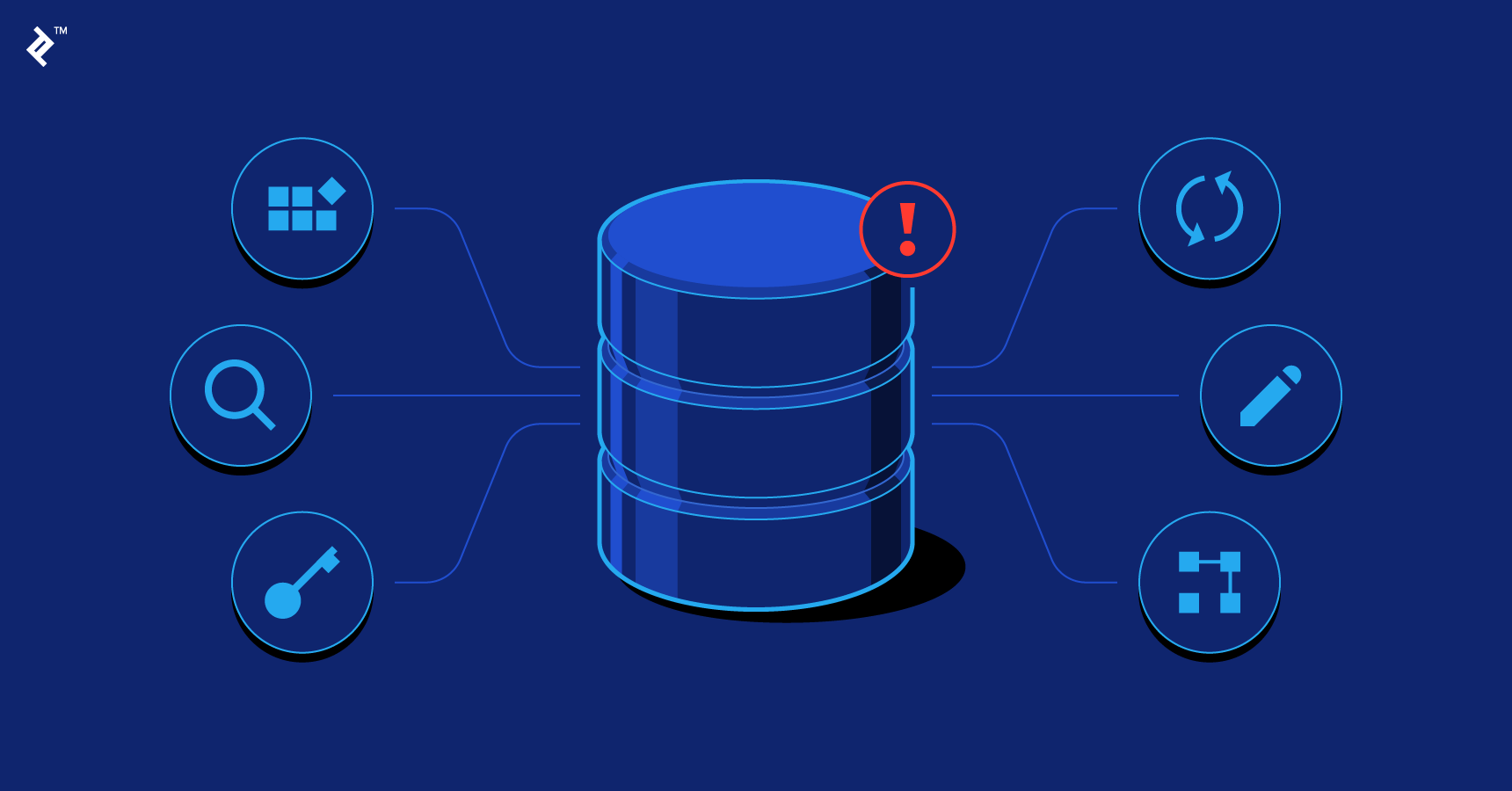
A database management system (DBMS) manages persistent state on disk with concurrency controls, query indexing, data validation, and backup guarantees.
2. SQL (Relational Databases) In Depth
Relational databases represent entities in rows and columns. They shine when your domain model involves complex interconnected relationships (e.g. users, orders, items, invoice receipts).
-- Creating Relational Tables with Foreign Key Constraints
CREATE TABLE users (
    id SERIAL PRIMARY KEY,
    email VARCHAR(255) UNIQUE NOT NULL,
    created_at TIMESTAMP WITH TIME ZONE DEFAULT CURRENT_TIMESTAMP
);

CREATE TABLE orders (
    id SERIAL PRIMARY KEY,
    user_id INTEGER REFERENCES users(id) ON DELETE CASCADE,
    total_amount NUMERIC(10, 2) NOT NULL,
    status VARCHAR(50) DEFAULT 'pending'
);
3. NoSQL (Document Databases) In Depth
Document databases store records as flexible BSON/JSON objects. If your schema changes frequently or you need to embed nested arrays directly inside single documents without joins, MongoDB is a popular choice.
4. Direct Feature & Trade-Off Comparison
| Feature | SQL (PostgreSQL / MySQL) | NoSQL (MongoDB / DynamoDB) |
|---|---|---|
| Schema | Fixed, strictly typed | Dynamic, flexible JSON |
| Transactions | ACID compliant by default | BASE (Eventual consistency) |
| Scaling | Vertical (Read replicas) | Horizontal (Sharding) |
| Best For | Financial, E-Commerce, ERP | IoT, Real-time logs, CMS feeds |
5. Polyglot Persistence & 2026 Cloud Best Practices
Modern engineering teams rarely stick to one database for everything. A typical 2026 architecture uses PostgreSQL for user accounts and payments, Redis for in-memory session caching, and Elasticsearch / Vector DBs for semantic AI search.