Building Scalable Apps with Next.js

Mastering the techniques for high-performance, scalable web applications using Next.js and serverless architecture is no longer just a luxury—it's a requirement for modern digital products. In 2026, scaling is no longer just about adding more servers; it's about intelligent caching, edge computing, and choosing the right rendering strategies to minimize latency and maximize uptime.
Serverless Architecture and the Edge
Next.js's native support for edge functions allows us to run logic closer to our users than ever before. By offloading complex computations to the network edge, we can achieve sub-100ms response times globally, regardless of where the main database resides. This "Compute at Edge" model eliminates the traditional 'cold start' problems associated with serverless functions and provides a much more consistent experience for international users.
Furthermore, edge middleware allows for ultra-fast authentication checks and A/B testing variations to be served directly from the nearest point of presence (PoP). This means the request never even has to hit your origin server for basic routing and security logic, significantly reducing the load on your core infrastructure.
Rendering Strategies for 2026: Hybrid is King
The debate between SSR and SSG has matured into a nuanced understanding of "Hybrid Rendering." Modern Next.js applications leverage Static Site Generation (SSG) for high-traffic public pages, Server-Side Rendering (SSR) for personalized user dashboards, and Client-Side Rendering (CSR) for interactive data visualizations.
Incremental Static Regeneration (ISR) has evolved even further, now supporting "On-Demand Revalidation" at scale. This allows developers to build massive e-commerce platforms or news portals that stay fresh while remaining blazing fast. When a product price changes in the CMS, only that specific page is re-generated across the global CDN, ensuring consistency without costly full-site rebuilds.
Database Scalability and Global Distribution
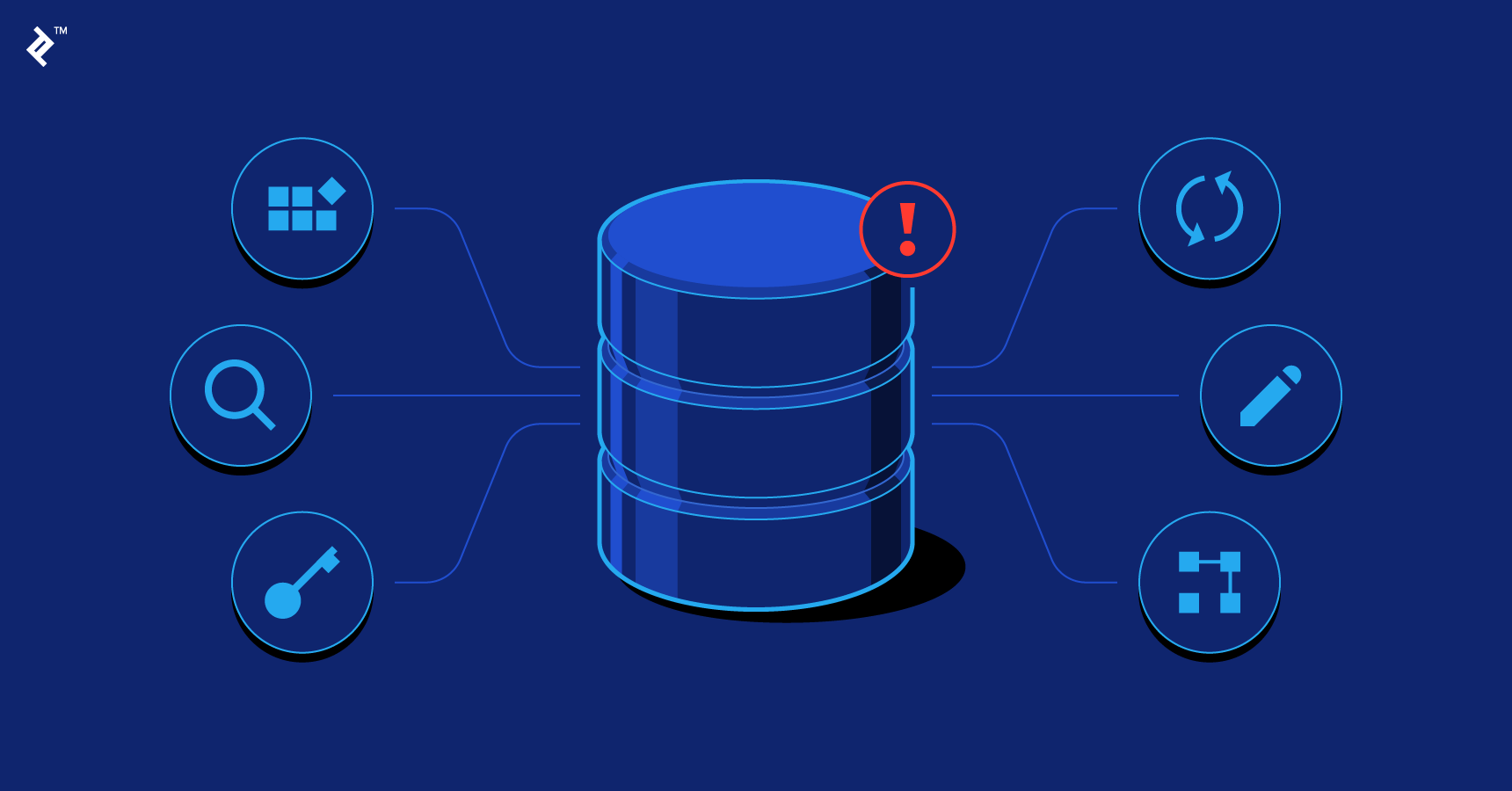
Scaling the frontend is only half the battle; the data layer remains the most common bottleneck. In 2026, we rely on distributed database solutions like PlanetScale or neon.tech that offer horizontal scaling and read replicas across multiple regions. Combining these with a robust caching layer using Redis (via Upstash or similar edge-compatible providers) ensures that even the most data-intensive operations are lightning-fast.
Security at the Edge
As applications scale, they become bigger targets. Implementing security at the edge involves using Web Application Firewalls (WAF) and rate limiting directly within the CDN layer. Next.js middleware provides a powerful entry point for implementing custom security headers and bot detection logic before a single byte of application code is executed on the server. This proactive approach is essential for maintaining the integrity and availability of high-traffic applications.
Monitoring and Observability
You cannot scale what you cannot measure. Modern scaling strategies involve deep observability using tools like Vercel Analytics, Sentry, and New Relic. Tracking Core Web Vitals in real-time allows us to identify performance regressions immediately. Automated alerting systems can now trigger auto-scaling groups or flip feature flags if error rates exceed a certain threshold, providing a self-healing architecture that minimizes downtime.